
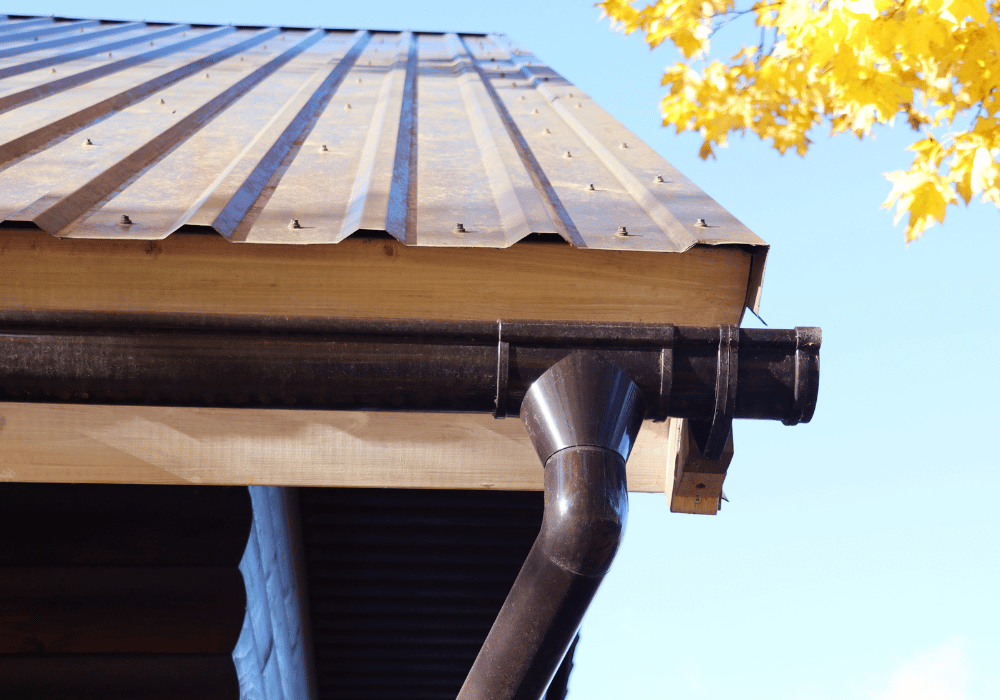
As a homeowner in London, Ontario, you are likely familiar with the unpredictability of our local weather. From the sudden, torrential downpours of summer thunderstorms to the slow, steady thaw of winter snow, our homes are constantly subjected to water in various forms. While we often worry about our roof shingles or the grading of our lawns, there is one critical defence system that often goes unnoticed until it fails: our eavestroughs. These metal channels lining the edge of your roof are not just decorative trim; they are the unsung heroes of home maintenance. Maintaining clean gutters is arguably one of the most cost-effective ways to protect your property from significant water damage, basement flooding, and costly structural repairs.
Understanding the mechanics of water diversion is key to appreciating why this maintenance task is so vital. When it rains, your roof collects a massive volume of water. Without gutters, this water would simply cascade off the edge of your roof, pounding the ground below. Eavestroughs catch this runoff and channel it safely away from your home’s foundation through downspouts. However, when these channels become clogged with leaves, twigs, maple keys, and roofing grit, this system breaks down. The water has nowhere to go but over the sides, leading to a cascade of problems that can compromise the very structure of your house.
The First Line of Defence Against Basement Flooding
The most immediate and frightening consequence of neglected gutters is water entering your home. Your foundation is built to withstand pressure, but it is not designed to be a swimming pool liner. When clogged gutters overflow, water dumps directly next to your foundation walls. This saturation creates hydrostatic pressure, which forces water through microscopic cracks in the concrete or masonry. In older London homes, where foundations might be made of porous brick or stone, the risk is even higher.
Once water finds a way into your basement, the damage can be extensive and expensive. Finished basements with drywall, carpeting, and furniture can be ruined in a matter of hours. Even in an unfinished basement, persistent moisture leads to mold growth, which poses serious health risks to your family and is notoriously difficult to remediate. By ensuring you have clean gutters, you allow the system to do its job: moving that water at least six feet away from your foundation, keeping your basement dry and your belongings safe.
Protecting Your Landscape and Curb Appeal
We often think of gutter maintenance as a structural issue, but it also plays a huge role in preserving your landscaping. You likely spend significant time and money making your yard look beautiful, planting flower beds, shrubs, and ornamental trees around the perimeter of your house. An overflowing gutter acts like a waterfall, dropping gallons of water onto delicate plants. This force can physically crush flowers and erode the soil around roots, exposing them to the air and killing the plants.
Furthermore, this erosion can destroy the careful grading of your property. Ideally, the ground around your home should slope away from the foundation to encourage drainage. Constant water overflow can wash away this soil, creating depressions that pool water right next to your house. This standing water not only damages your foundation but also becomes a breeding ground for mosquitoes and other pests. Regular eavestrough and gutter cleaning prevents this erosion, preserving your hard work in the garden and maintaining the correct drainage slope for your property.
Avoiding Fascia and Soffit Rot
While the damage to the ground is significant, clogged gutters also cause severe problems at the roofline itself. When gutters are full of wet, heavy debris, they trap moisture against the fascia boards—the wooden boards that your gutters are attached to. Over time, this constant contact with damp, rotting organic matter causes the wood to soften and rot. This rot can easily spread to the soffits, which are the vented panels under the roof overhang that allow your attic to breathe.
As the wood rots, it loses its structural integrity. Eventually, the fasteners holding your gutters in place will fail, causing the gutters to sag or even rip away from the house entirely. Replacing fascia and soffit is a complex carpentry job that is far more expensive than routine cleaning. Moreover, rotting wood is an open invitation to pests. Carpenter ants, birds, squirrels, and raccoons love soft, rotting wood as it makes it easy for them to chew their way into your attic. Having clean gutters removes this moisture trap, keeping your roofline dry and secure.
The Threat of Ice Dams in Winter
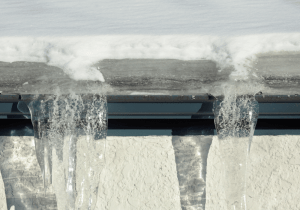 In our Canadian climate, the importance of clean gutters extends well into the winter months. When gutters are clogged with debris, water cannot drain. When the temperature drops, this trapped water freezes into a solid block of ice. As heat escapes from your home’s roof, it melts the snow on top. This meltwater runs down the roof, hits the ice block in the gutter, and has nowhere to go. It backs up under your roof shingles and refreezes, prying the shingles apart and damaging the roof deck. This phenomenon is known as an ice dam.
Ice dams are notorious for causing leaks inside walls and ceilings during the winter, often showing up as water stains on your drywall or peeling paint. The weight of the ice can also tear the gutters right off the house. While insulation and ventilation play a role in preventing ice dams, clear drainage is equally critical. If you have clean gutters before the first freeze, snowmelt has a clear path to exit through the downspouts, significantly reducing the risk of ice dam formation and the subsequent interior water damage.
Preserving Exterior Surfaces
Water that overflows from clogged gutters is not clean rainwater; it is a dirty slurry of decomposing leaves, dirt, and asphalt grit from your shingles. As this dirty water spills over the sides, it runs down your siding, windows, and brickwork. Over time, this leaves unsightly stains and streaks that can be very difficult to remove. On wood siding, this constant moisture can cause paint to peel and wood to rot. On brick, it can accelerate the deterioration of mortar joints.
Even your driveway and walkways are not immune. Water dripping onto concrete or asphalt in the same spot over and over can cause pitting and cracking, especially during freeze-thaw cycles. By maintaining clean gutters, you control where the water goes, directing it safely onto splash blocks or into drainage systems, rather than letting it wash over the exterior of your home. This simple act preserves the aesthetic appeal of your house and extends the lifespan of your siding, masonry, and hardscaping.
For many homeowners, the thought of climbing a ladder to scoop out muck is unappealing and potentially dangerous. Ladder falls are a leading cause of home injury. Yet, the task cannot be ignored. This is where professional services become invaluable. Hiring experts to handle your gutter maintenance ensures the job is done safely and thoroughly. Professionals have the right tools to remove debris from high or difficult-to-reach areas and can also inspect your system for minor issues like loose brackets or misaligned downspouts before they become major repairs.
At Clearview Brothers, we understand the specific challenges that London homes face throughout the seasons. We view gutter cleaning not just as a chore, but as a critical preventative measure for your property’s longevity. Our team is trained to handle eavestroughs with care, ensuring they are free-flowing and functioning perfectly to protect your biggest investment.
Ignoring your gutters is a gamble with high stakes. The cost of dealing with a flooded basement, a rotted roofline, or a damaged foundation far outweighs the investment in regular maintenance. If you are unsure about the state of your eavestroughs or want to schedule a cleaning before the next big storm, reach out today to ensure your home has clean gutters. Let us help you keep your home dry, safe, and beautiful, no matter what the weather brings.